








The government’s bid to further improve internet connectivity in the Philippines, along with its digitalization and digitization programs, are primary factors for the easier artificial intelligence (AI) adoption among Filipinos.
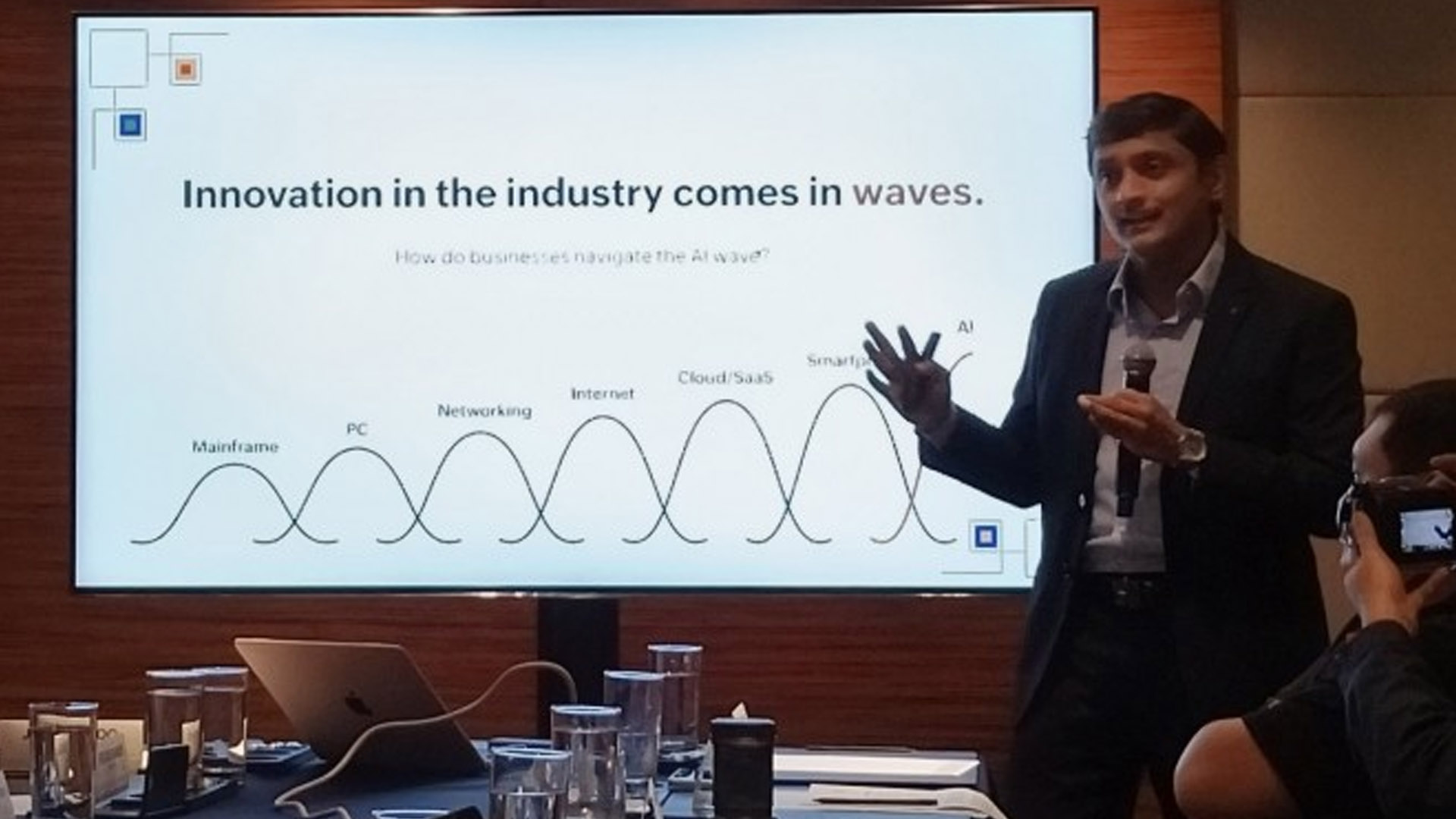
Gibu Mathew, Managing Director of Texas-based technology firm Zoho APAC, in a briefing Thursday, said there are several aspects of AI to become widely-used and powerful, initially through digitization, familiarization on the use of devices such as laptops among the population, as early as school-aged children; and a good internet connection.
“I think [the] Philippines already has those good, positive, aspects already,” he said.
Another important factor is user education, he said, citing the need among individuals and businesses to have the understanding on how to adopt the technology and eventually utilize it to improve their services and processes.
“Definitely, you will start seeing value faster than before, because AI is doing something very interesting. It is reducing that barrier for humans to actually interact with technology, with voice, video, and other smart technologies. And I feel that each human’s productivity will definitely see a big boost,” he said.
The government bids to increase the share of digital economy to 12 percent of the country’s annual output and the Philippines’ chairship of this year’s Association of Southeast Asian (ASEAN) plays a big role in achieving this goal, he said.
Mathew said businesses continue to invest in technological innovations, and without giving any figure he expressed optimism for sustained rise of allocation for tech-related expenses.
He said the Philippines is among Zoho’s top three markets in the Asia Pacific, led by Singapore, and he expressed a belief of sustained growth, as more domestic firms and local offices of major business process outsourcing companies take advantage of technology to boost their operations and bottomline.
“AI actually helps you do more work so definitely I’m sure organizations have found the value already and they are adopting those technologies,” he added. (PNA)