







This agricultural city is expanding its bamboo plantations in its rural barangays, with massive planting and rehabilitation of existing bamboo poles underway this summer.
Mayor Mark Christian Chua confirmed this on Monday, following a continuous bamboo-growing initiative here to sustain the supply of raw materials for various bamboo crafts widely used by locals.
“Each barangay is now growing bamboo to sustain livelihoods and to innovate value-adding products out of bamboo,” Chua said in an interview.
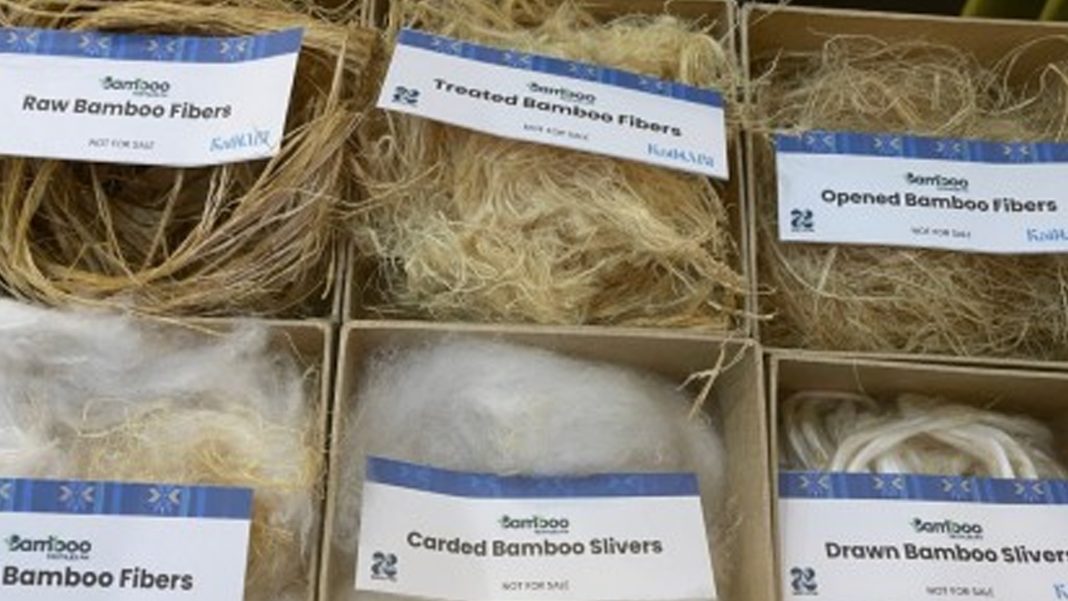
To date, the city government, in partnership with other government agencies, has been supporting the bamboo weavers of Barangay Mabaleng, where a bamboo fiber innovation hub is underway.
A 10-hectare beema bamboo plantation is also being maintained and protected in Barangay Camandingan since its launch last year.
Beema bamboo is also among the fastest-growing plants, growing at an average of one-and-a-half feet per day under tropical conditions.
Its propagation is being expanded in Ilocos Norte as experts consider it an excellent choice for making the environment greener and mitigating climate change.
The beema serves numerous purposes, including building construction, paper pulp production, energy generation, charcoal making, and creating furniture and various handicrafts.
The plantation project is part of the provincial government’s Sustainable Agroforestry Farm Enterprise-Bamboo Business Model (SAFE-BBM) program, implemented in collaboration with the Department of Agriculture, the city government, the Bureau of Fisheries and Aquatic Resources, and the Nueva Segovia Consortium of Cooperatives.
The program aims to enhance livelihood opportunities, increase climate resiliency, and foster ecological conservation across target communities in Ilocos Norte.
While the bamboo-growing initiative is ongoing, Hashler Garalde, the bamboo focal person of the Ilocos Norte government, said Monday that a community-based training will be held next week at the fiber innovation hub in Batac.
“This program is in partnership with the Department of Science and Technology,” Garalde said, adding that the project targets to provide access to innovative processing technology that adds value to bamboo as a sustainable, locally available resource.
The hub aims to process raw bamboo fibers to support yarn spinning and other textile applications. (PNA)

