


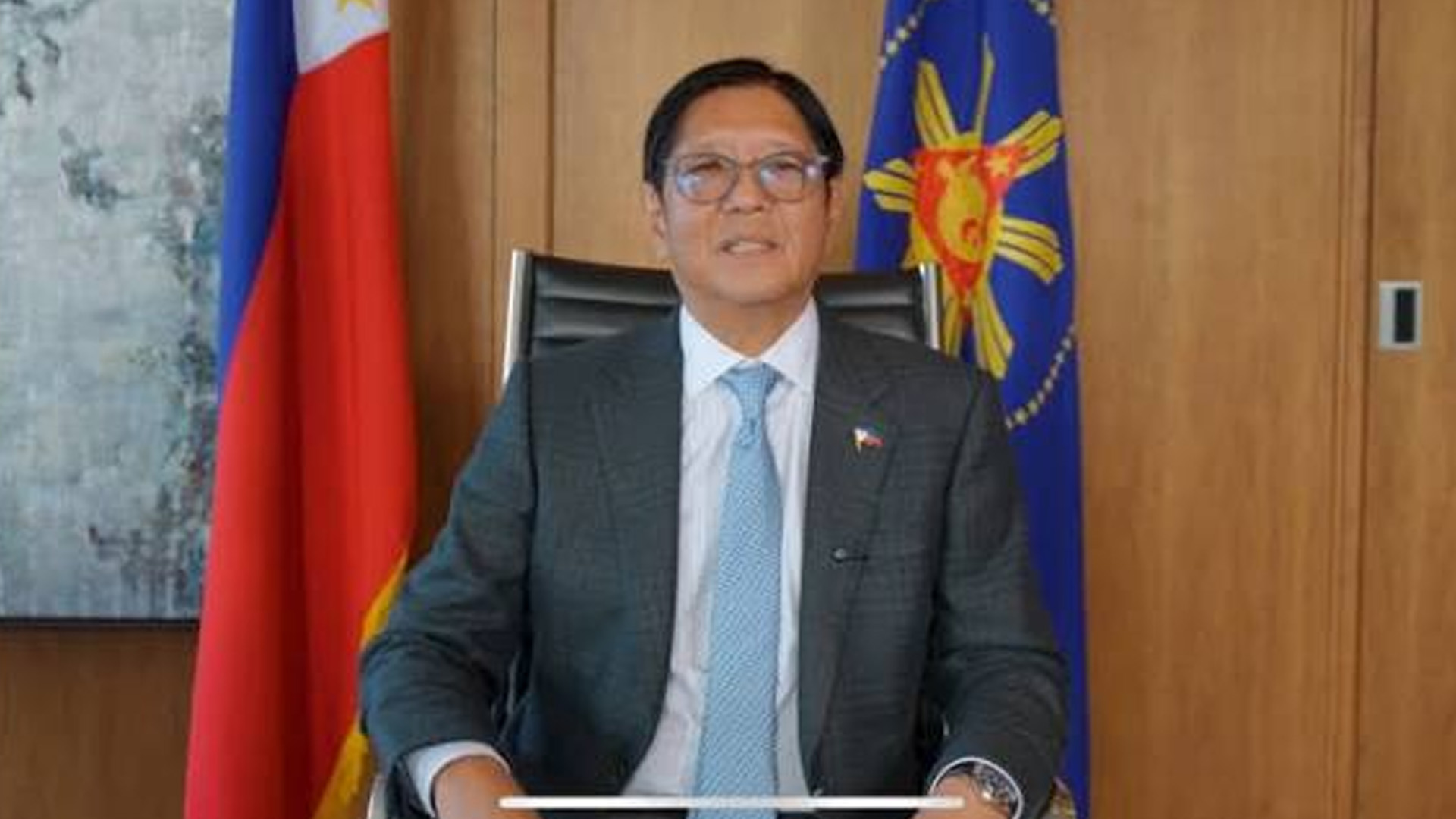






President Ferdinand R. Marcos Jr. on Wednesday (Canada time) pledged to sustain the country’s economic gains following the Philippines’ attainment of upper-middle income country status.
Marcos expressed optimism that the milestone would translate into more opportunities for Filipinos, saying the new classification reflects the effectiveness of economic policies and reforms implemented over the past four years.
“For years, Filipinos have worked hard to build this country. Today, the world has taken notice. The Philippines has officially become an Upper-Middle-Income Country,” he said in a statement, noting that the country had remained a lower-middle-income economy since 1987.
Marcos said the country’s new status affirms the government’s efforts to keep the economy robust despite global uncertainties.
He also credited the resilience and hard work of the Filipino people for the country’s economic progress.
“Our steady economic growth, broadly stable currency and long-term reforms have strengthened our economy even amid global uncertainties. It validates the progress we have made and the resilience of the Filipino people,” Marcos said.
Marcos said the new income classification is expected to boost investor confidence, attract more investments, encourage expansion, and generate better-quality jobs for Filipinos.
He emphasized that economic growth should bring tangible benefits to ordinary citizens.
“It is also a vote of confidence in our country’s future. Greater confidence means more investments. More investments mean more businesses, better quality jobs and more opportunities for Filipino families,” he said.
“This is worth celebrating because economic progress is not meant to stay on paper. It is meant to open doors, put food on the table and give every Filipino the chance to build a better life,” the President added.
Marcos said the administration would continue implementing policies aimed at ensuring that the gains from economic growth are felt by Filipinos.
“That is the work we will continue to do until every family feels the benefits of our country’s progress,” he said.
The World Bank confirmed the upgrade in its latest income assessment on Wednesday, reporting the Philippines’ gross national income (GNI) per capita as USD4,850, exceeding the USD4,636 upper-middle-income country threshold.
The shift was underpinned by steady economic expansion, with Gross Domestic Product growing by an average of 5.8 percent from 2021 to 2025.
Strong performance across all industries raised GNI per capita by 8.5 percent in 2025, lifting the Philippines from the lower-middle into the upper-middle income category. (PNA)