








In the Philippines, memes rarely stay where they start. They jump from timelines to group chats, from private jokes to public debate, often faster than any formal headline can travel. Somewhere between the laugh and the share, meaning forms. And sometimes, pressure does too.
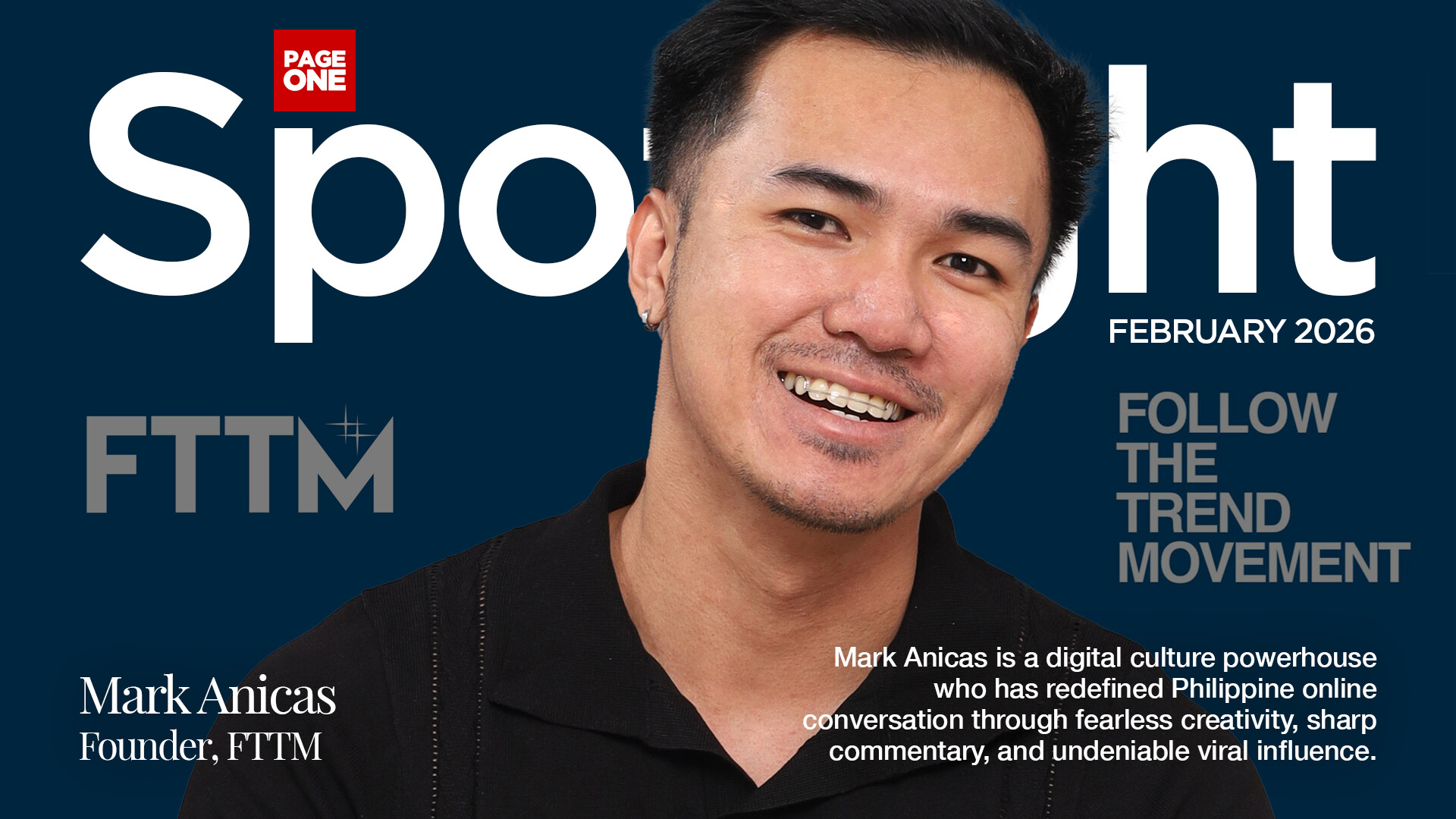
At the center of that movement is Mark Anicas, the Media Director behind Follow The Trend Movement, who understands that reach is only the surface of what a platform can hold.
For Anicas, the shift from followers to power was unmistakable. It was no longer just audiences reacting in comment sections. It was officials responding, defending themselves, issuing statements, and sometimes pushing back. “When memes started getting reactions from people in the office, not just from the comment section, I knew it hit somewhere real,” he says. A post about public projects or local leadership would trigger clarifications or political noise beyond social media. That response was the signal. Virality brought visibility, but reaction from those in power confirmed influence.
That influence has not gone untested. One of the most intense moments came from a post involving a mayor in Bulacan who raffled prizes to residents affected by flooding. The pressure was immediate and came from multiple directions, urging FTTM to take the content down. The team refused. For Anicas, moments like these draw a clear line between a page that entertains and a platform that holds ground. “This specific scenario is why FTTM has power and not just followers,” he explains.
Holding that line requires discipline, especially in an environment where speed often competes with accuracy. FTTM’s approach is cautious by design. Before a post goes live, especially those involving politics, public funds, elections, or government officials, the basics are verified. Sources matter. Screenshots alone do not. “Being viral is great, but credibility lasts longer,” Anicas says. If something cannot be verified, it is either held back or framed clearly as opinion, not fact. For sensitive issues such as corruption allegations or criminal accusations, restraint becomes non-negotiable. The risk is not only reputational but also ethical.
That sense of responsibility extends to how Anicas views meme pages within the broader media ecosystem. The public often underestimates them, mistaking humor for harmlessness. But memes frame conversations quickly, sometimes before people encounter the full context. A sharp image and a well-timed caption can shape perception in seconds. That is media power, even if it does not resemble traditional journalism. Anicas is aware of how easily that power can be misused. Carelessness can spread misinformation, inflame tensions, or harden narratives before facts settle. That is why timing, tone, and verification are treated with equal weight.
Still, there are boundaries. Anicas refuses to cross, regardless of reach. “We won’t turn real suffering into a punchline,” he says. Death, serious illness, private trauma, and moments of deep personal loss are off limits. Humor that punches down, mocks vulnerability, or exploits pain has no place on the page. Instead, he sees the platform as a tool to question authority and defend those who are already disadvantaged. Humor, when used carefully, can challenge power without dehumanizing people.
FTTM operates in a space where entertainment and accountability often collide. In a country where memes travel faster than news, the person shaping them carries more than a creative role. For Mark Anicas, that role is not about chasing reactions but understanding consequences. Influence, once recognized, becomes a responsibility. And in that responsibility, the line between joke and impact is never taken lightly.