








From the outside, When In Manila can look effortless. A new restaurant appears on the feed. A travel tip surfaces just when long weekends approach. A story about mental health sits beside a piece about K-pop or a hidden café somewhere in the city.
It reads like a lifestyle page that simply knows what people want.
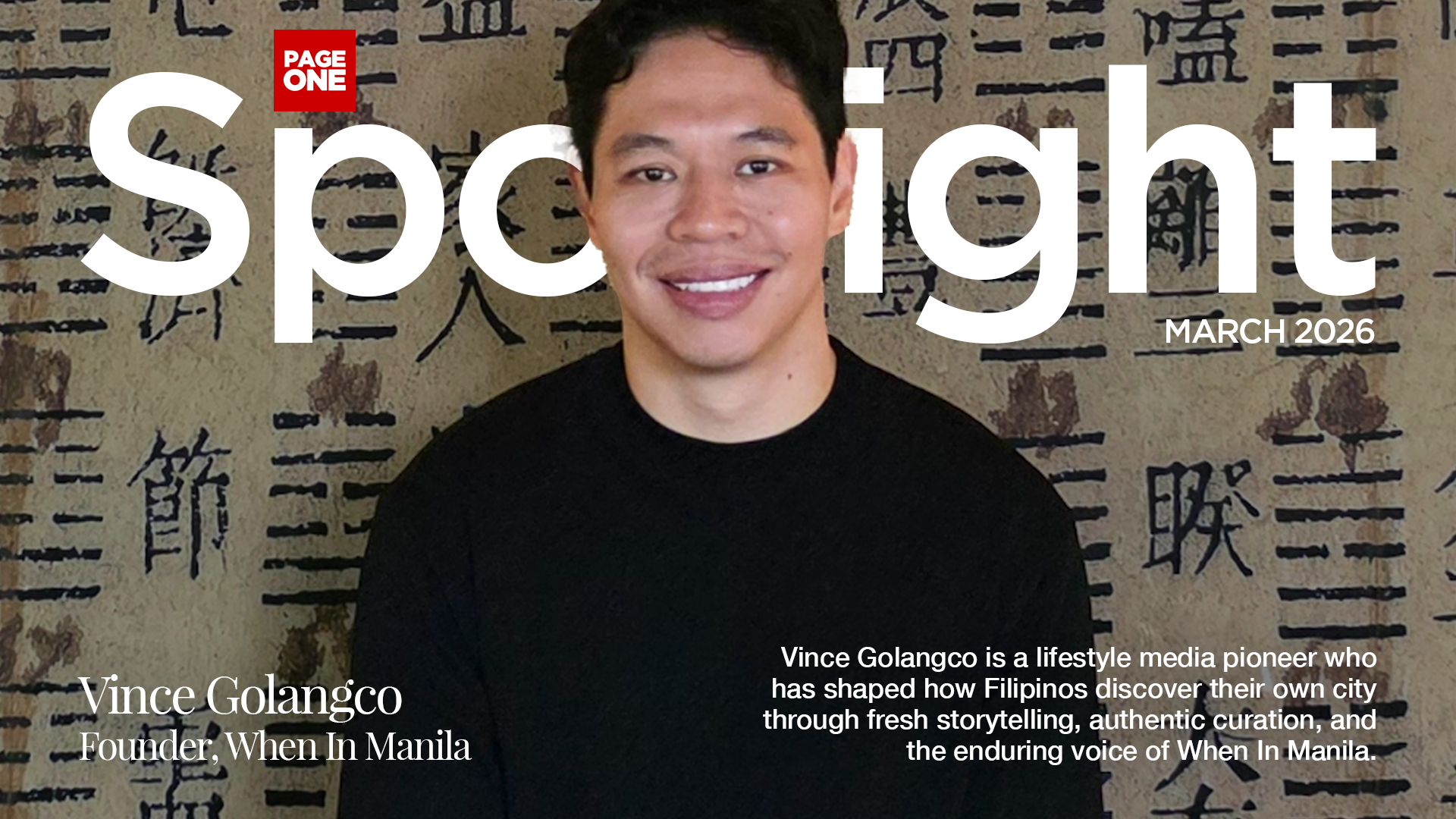
Behind that rhythm, however, is a content operation that has quietly been running for more than a decade, guided by instinct, collaboration, and a system that most readers never see. The mind behind it is Vince Golangco, the founder and CEO who still approaches the platform with the same question he asked when the blog first began: would this be something worth reading?
Ideas for When In Manila rarely come from a single place. Golangco describes the process as open by design. Suggestions can come from the internal team, community contributors, readers, brands, or even chance discoveries during everyday life. Manila itself supplies a constant flow of possibilities.
But not every idea survives the next step.
“From there it goes through an editorial filter,” Golangco explains. “Is this relevant, is this useful, does it feel like wheninmanila.com?”
Before anything appears online, the content passes through a human check. The goal is not simply to keep the platform active but to maintain a certain tone and usefulness that readers have come to expect. At the end of that process, Golangco returns to a simple test.
“The final call comes down to: would I want to read this?” he says. “If yes, publish. If no, rewrite or [remove] it.”
The simplicity of that question hides the discipline behind it. Maintaining a platform that has been active for more than fifteen years requires more than posting frequently. It requires understanding what actually matters to the audience.
For Golangco, the metrics that count most are not always the ones dashboards highlight.
“Honestly, if one person is genuinely affected by what we post, if it actually changes their day or helps them discover something real, then we’re happy,” he says.
In a digital environment obsessed with reach, he places more weight on engagement and personal impact. A comment from someone who tried a new restaurant because of an article, or a reader who discovered a new perspective through a feature, means more to him than numbers alone. Shares and comments help confirm that a story resonates, but the true success of a post can be quieter than that.
The variety of content on When In Manila often surprises new readers. One day the site highlights food discoveries. Another day it might explore mental health, travel experiences, or international pop culture. To outsiders, the range can seem unpredictable.
Inside the editorial process, the logic is simpler.
“We bounce everything to the team first,” Golangco says. The people reviewing the ideas are themselves part of the audience the platform hopes to reach. Many of them grew up in the same culture, navigate the same daily routines, and follow the same trends as the readers scrolling through the site.
“If it resonates with them, it usually lands with everyone else,” he explains.
That internal reaction becomes the first filter. The question is not whether something is trending worldwide but whether it feels meaningful within the Filipino context. If the team recognizes themselves in the story, it likely belongs on the platform. If the topic exists only to chase attention, it usually does not make the cut.
The process sounds straightforward until the topics become more complicated.
Some of the longest internal debates within When In Manila have emerged around stories touching on politics or broader social issues. Golangco acknowledges that the platform is not designed as a news organization. It began as a lifestyle blog, and much of its identity still rests there. Yet Manila itself does not separate daily life from public issues so neatly.
“Manila is a political city,” Golangco says. “Sometimes you can’t separate the two.”
That tension leads to discussions inside the team before certain pieces are published. Should the platform stay within its traditional lifestyle lane, or should it acknowledge moments that carry broader meaning for the community? The answer is rarely obvious.
“We’ve landed on both sides depending on the issue,” he admits.
Over time, the editorial approach has learned to live with that uncertainty. Some stories remain focused on discovery and everyday experiences. Others step into conversations that feel impossible to ignore. What matters most is that each decision reflects careful thought rather than reaction.
That balance is part of what keeps When In Manila moving forward after fifteen years online. What appears as a steady stream of lifestyle content is supported by constant discussion, judgment calls, and a community that helps shape the direction of the platform.
The result is not just a page that follows trends. It is a system that quietly listens to them, filters them, and decides which ones are actually worth sharing.