


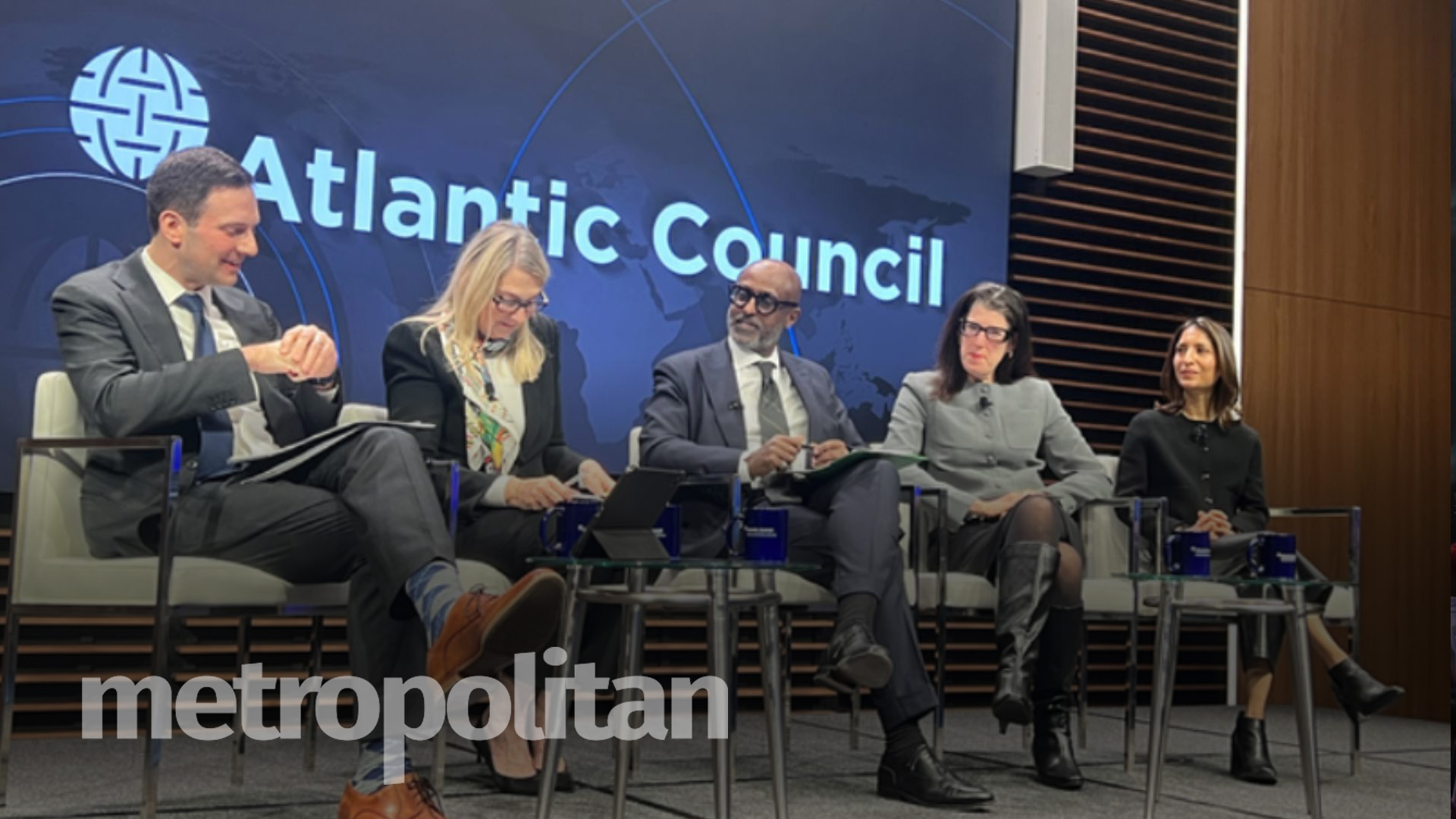






Financial inclusion has made great strides over the years, yet access remains a superficial metric of growth for the three billion people worldwide who remain without formal credit essential to thrive in the long-term.
The Washington, D.C.-based Atlantic Council’s GeoEconomics Center, through its latest report called “A Three-Billion-Person Challenge: Decision Time for Financial-Sector Leaders,” attributes this largely to connectivity, affordability, and security issues. This year-long extensive global study highlights that despite access, usage remains a huge hindrance in global financial security.
As a pioneering advocate for the global majority, Tala urges policymakers and service providers to leverage data and technology that would transform digital access into opportunities for inclusive growth.
Beyond access: Barriers to usage of financial services
New data from the Atlantic Council report reveals that 84 percent of adults in low- and middle-income economies (LMIEs) own a device capable of accessing digital financial services, while 75 percent have a financial account. Despite this, a significant gap remains in usage: only 40 percent save formally, and just 24 percent have accessed formal credit. With approximately three billion adults still not able to use these services, the challenge lies in ensuring those who own financial accounts can fully participate in the greater financial system, be able to fund businesses, and cushion them from global uncertainties.
In pushing for increased access to digital finance, there also comes higher exposure to data misuse and cybercrime, which further adds to the public’s lack of trust in the industry. Lastly, the report identifies inconsistent internet connectivity and high costs as another major roadblock to usage. This is exacerbated by a lack of transparent pricing among bad actors, which makes it difficult for consumers to compare costs.
The study further states, “When investigating challenges for new entrants to understand digital credit pricing, researchers found that it took regulations requiring mobile money providers to post up-to-date pricing information, in a standardized format, among other things, to help consumers to access and assess prices.
When asked about this during the report’s launch event last January 15, Tala CEO and Founder Shivani Siroya explained that by embedding transparency into its practices, Tala ensures that prices remain honest and without hidden fees. By actively disclosing how their data is being used, the company is shifting control back to the consumers.
For 12 years, Tala has centered its mission on moving beyond access, helping people protect their money, use it, and grow it over time. “You need to have choice, awareness, and control as a consumer where you
are not forced into a system, and you’re seen as a true consumer that has potential like the rest. I think there’s dignity in that, ” Siroya said during the launch event.
Tala’s Global Debt Collection with Dignity Initiative was also cited in the report for its model framework for regulating debt collection firms and practices, adaptable by national authorities around the world.
Gender disparity within the ecosystem
Gender gaps leave many women with little to no credit history or resources to invest, save, or participate in economic space. In the Philippines, for example, 59 percent of women used mobile money in the last seven of thirty days, compared to 71 percent of men. The report linked this to women’s low confidence in using mobile money and the lack of services that benefited them.
Berla, a Tala user from Baseco, Manila, is a powerful example of how the right financial partner can catalyze success stories. Facing a difficult job market, she chose to create her own path by launching a business with Tala’s support, becoming a model of empowerment for Filipinos and women everywhere.

Tala’s approach is centered on fostering long-term financial confidence. By monitoring how customers perceive their own leadership and decision-making abilities within their homes, the company ensures that its services lead to significant improvements in their capacity to manage finances over time. Particularly, the key findings from this report will help in further enhancing Tala’s future initiatives, including its women-focused programs, anti-fraud efforts, and implementation of best practices in fair lending and collections.
Ultimately, bridging the gaps in financial inclusion requires urgent and collaborative action from the public and private sectors. By leveraging AI and digital public infrastructure, alongside co-regulation and enforcement of a unified code of conduct, leaders can create a secure ecosystem that will allow sustainable opportunities for service providers, build consumer trust, and unlock the economic potential of three billion people worldwide.
In doing so, Tala is open to working and collaborating with both regulators and industry partners for this common goal. By advocating for increased enforcement against illegal lenders and promoting financial education, the company believes in empowering and protecting consumers while ensuring formal credit is accessible to the global majority.
For more insights, read the full Atlantic Council report available on their official website at https://www.atlanticcouncil.org/in-depth-research-reports/report/a-three-billion-person-challenge-the- rising-global-market-for-financial-leaders/.