


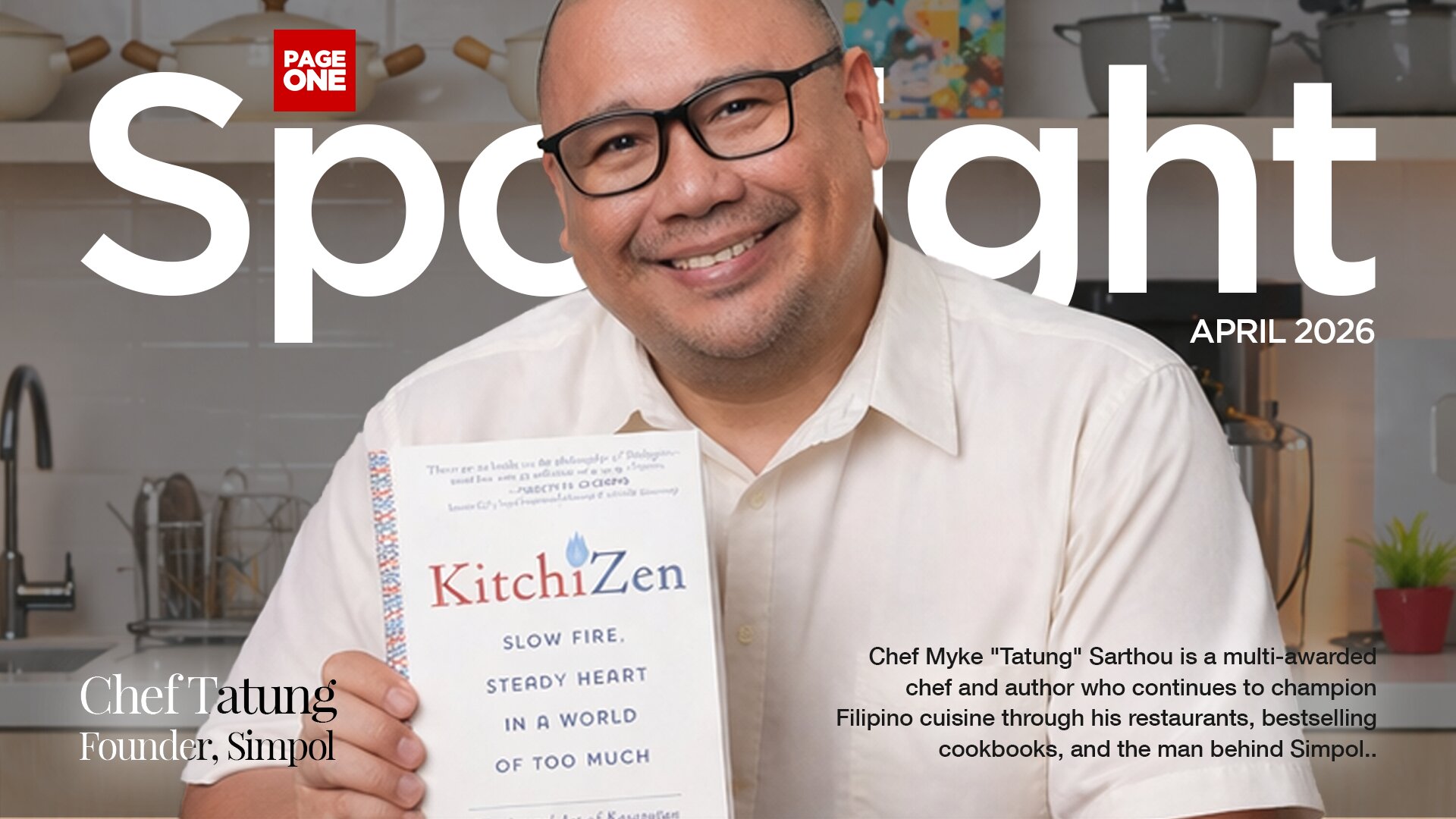






There is a common belief in digital media that a platform rises and falls with the face most associated with it.
For years, Simpol and Myke Sarthou, known widely as Chef Tatung, seemed inseparable. His presence, voice, and approach helped turn a cooking show into one of the country’s most trusted food communities. But in 2025, he made a decision that many founders resist.
He stepped back.
“It was one of the most difficult transitions,” Chef Tatung admits.
For years, he had been the primary voice people connected with the brand. Yet he understood that if Simpol was meant to last, it could not remain dependent on one personality, no matter how familiar or beloved.
“If the platform was going to endure, it could not depend on one person,” he says. “It had to become an ecosystem.”
That word matters. An ecosystem suggests something living, adaptive, and capable of sustaining itself through many contributors rather than one central figure. By moving away from the spotlight, Chef Tatung created space for Simpol to mature, allowing other voices, storytellers, and perspectives to take root.
“Stepping back from the spotlight allowed the platform to mature,” he explains.
For audiences used to founder-led brands, the move may have seemed surprising. But for Chef Tatung, leadership was never about constant visibility. It was about building something stable enough to thrive even when he was less visible.
“If Simpol can stand on its values rather than on one face, then it has a future.”
That future, however, rests on something harder to produce than content.
“Trust,” he says plainly.
Asked what Simpol has that newer creators cannot replicate overnight, Chef Tatung does not mention scale, production value, or reach. He returns to the one asset that accumulates slowly and disappears quickly.
“Trust takes years to build and only moments to lose.”
It is the kind of trust formed not through marketing claims, but through repetition and relevance. Over time, viewers did more than watch Simpol. They cooked from it. They relied on it. They folded its recipes into their routines and family tables.
“People did not just watch the content,” he says. “They incorporated it into their lives.”
That relationship cannot be rushed. It is built one meal, one household, one recommendation at a time.
When asked what legacy means, Chef Tatung again moves away from the obvious answers. It is not simply about archived recipes, follower counts, or even the platform itself.
“For me, legacy is not simply the recipes or the platform.”
What matters more is the evolution of an idea.
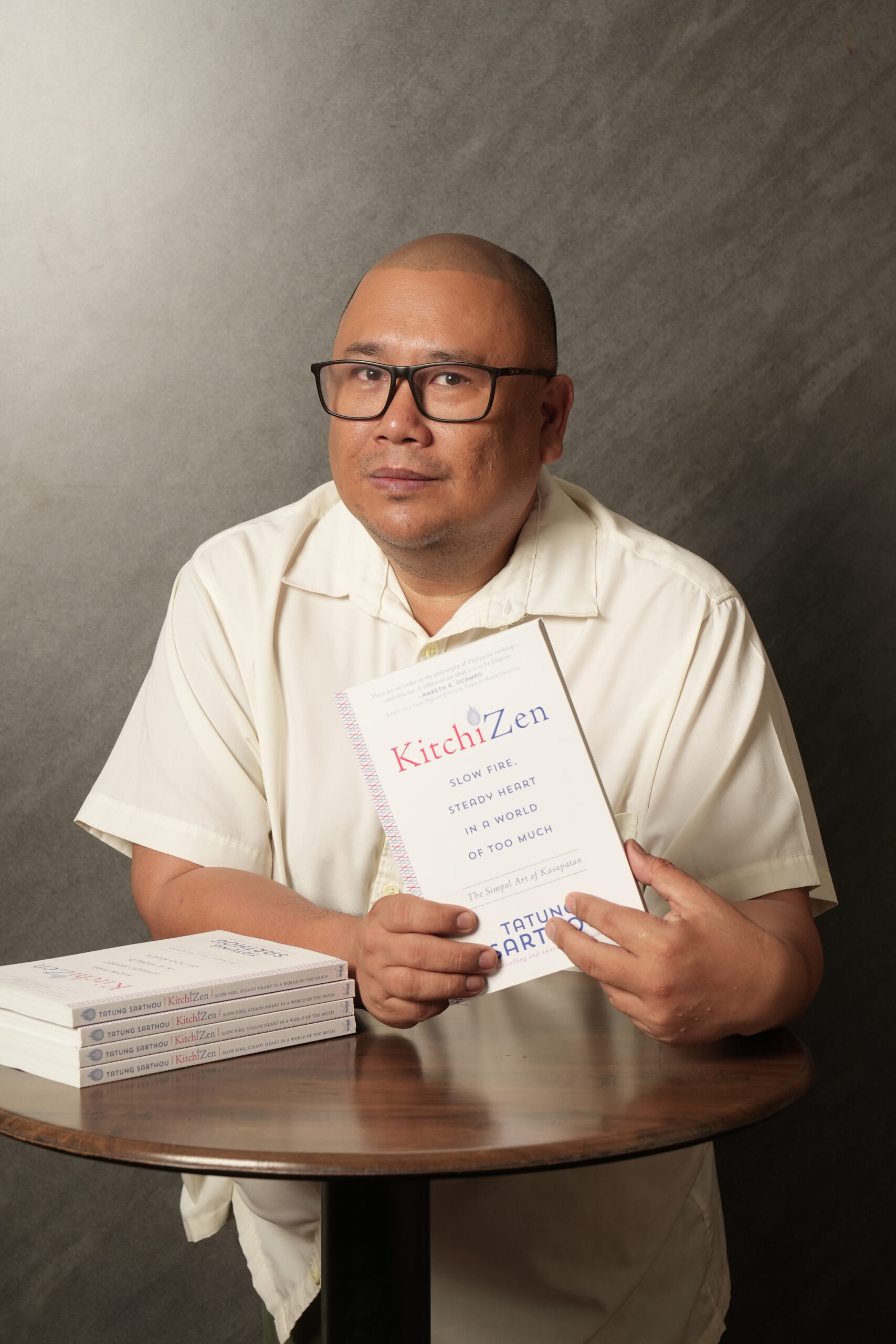
Through KitchiZen, he speaks of the Filipino kitchen as a place that teaches proportion, care, and what he calls enoughness, the understanding that value is not always found in excess. In a culture often shaped by abundance during celebration and sacrifice during hardship, the kitchen becomes a quiet teacher of balance.
“If Simpol can help articulate that worldview, then that would be the legacy that matters.”
It is a striking ambition. Not merely to teach people how to cook, but to help name a philosophy many Filipinos have lived without always defining.
That broader thinking also shapes how he views Filipino food media itself.
If he could redesign it, the first thing he would change is how creators understand content.
“For many creators, the video or post is the final product,” he says. “For me, content is only the starting point.”
To Chef Tatung, the real goal lies beyond views and metrics. Filipino food media should strengthen the larger ecosystem surrounding cuisine itself: farmers who grow ingredients, producers who sustain supply, cooks who preserve technique, restaurants that create livelihoods, and cultural institutions that protect heritage.
“The real objective is to strengthen the entire ecosystem around Filipino food.”
It is a reminder that cuisine does not begin when a camera starts rolling. It begins in farms, markets, kitchens, and communities long before content packages it for audiences.
“If Filipino cuisine is going to thrive globally, we have to think beyond views and metrics.”
That statement may also summarize the journey of Simpol.
What began as a cooking show became a community. What became a community is now evolving into something more enduring: a way of seeing food not as spectacle, but as culture, labor, memory, and shared identity.
For Chef Tatung, the kitchen has never been just a workplace or a stage. It is where patience is practiced, generosity is made tangible, and restraint becomes wisdom.
And like any meaningful meal shared among many people, Simpol continues not because one person remains at the head of the table, but because others recognize something of themselves in what is being served.