








The government is intensifying efforts to strengthen food supply, temper energy costs, and protect households from rising prices, the Department of Economy, Planning, and Development (DEPDev) said.
Data released by the Philippine Statistics Authority (PSA) on Tuesday showed that inflation soared to 7.2 percent in September from 6.1 percent in August due to faster increase in food, transport, and energy prices.
The average inflation from January to September was 5.4 percent.
Core inflation, which excludes selected food and energy prices, settled at 4.7 percent from 4.1 percent in August.
“September’s inflation rise was driven mainly by disruptions in food supply caused by adverse weather and higher global oil prices,” DEPDev Secretary Arsenio Balisacan said in a statement.
“These are significant supply-side pressures, but they are being met with targeted interventions to mitigate the impact on households.”
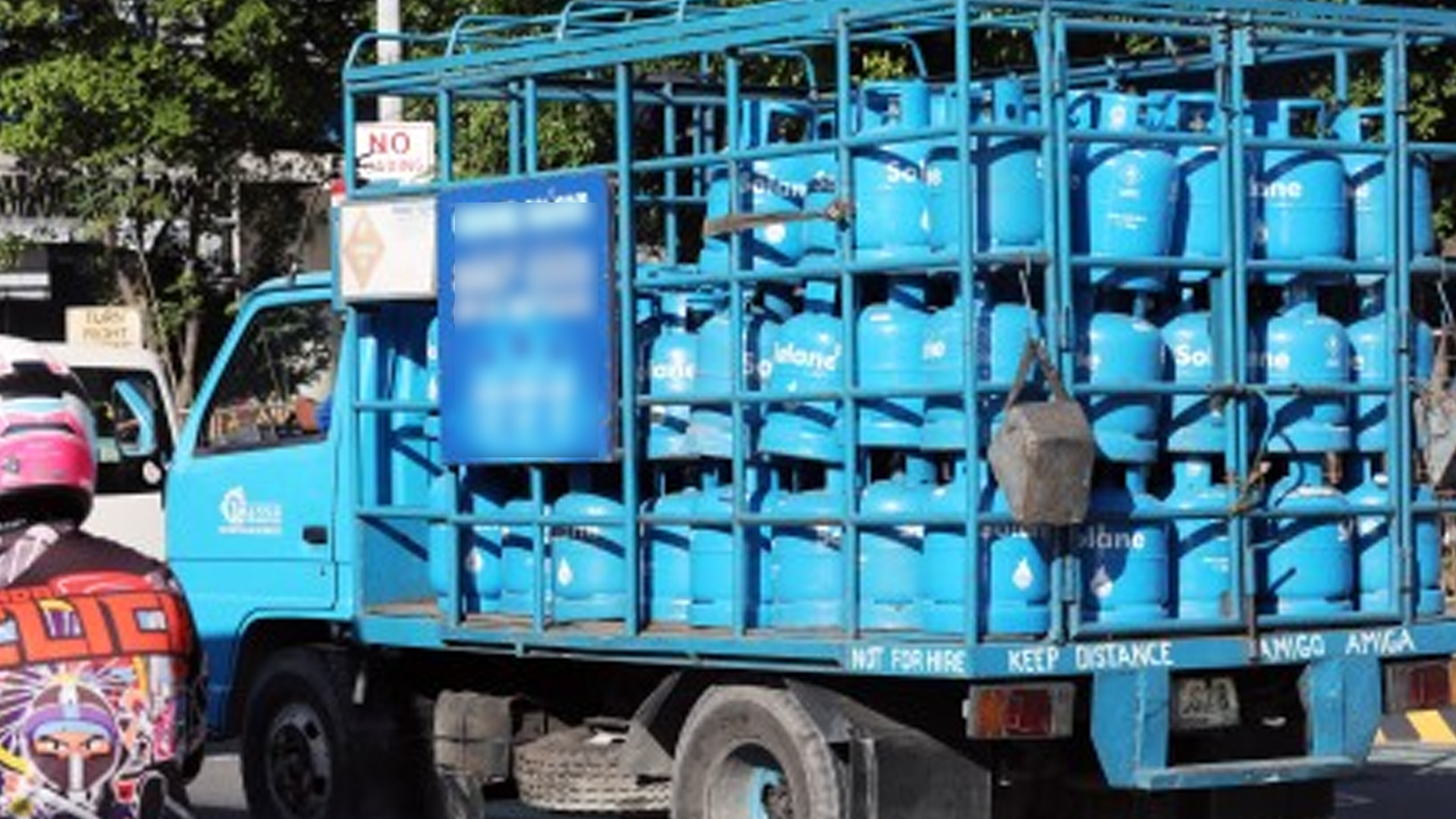
The government earlier suspended excise taxes on liquefied petroleum gas (LPG) and kerosene anew to help cushion the impact of high prices.
It also expanded the Secondary Price Cap to the Visayas and Mindanao grids to help reduce electricity costs, and is pursuing a toll waiver on major highways for haulers of agricultural produce to reduce logistical expenses.
DEPDev said the government is also expanding palay (unhusked rice) storage capacity in Tarlac and is rolling out the country’s first commercially approved African swine fever (ASF) vaccine to help stabilize pork supply, especially for the coming holiday season.
The government will also accelerate the procurement of key agricultural inputs, expand food and cold storage facilities, conduct cloud-seeding operations in drought-affected areas, and provide targeted interventions to vulnerable communities in preparation for the strong El Niño.
“The best response to supply-driven inflation is to strengthen supply itself. That is why we are expanding food production and storage, improving logistics, and building resilience against climate shocks,” Balisacan said.
“These investments address the root causes of price pressures and will deliver a more stable and affordable food supply in the years ahead,” he added. (PNA)