


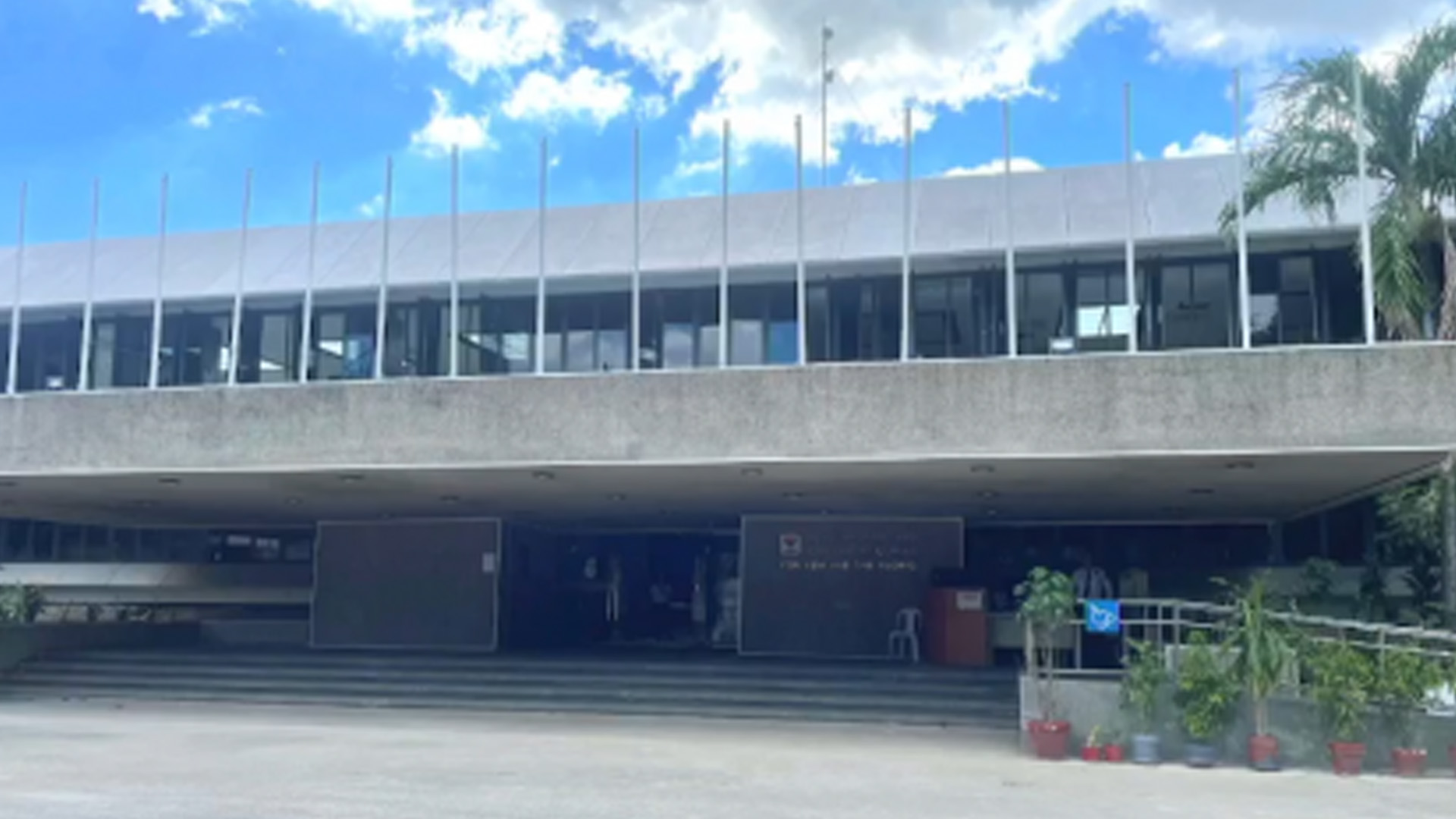






The Department of Social Welfare and Development (DSWD) is strengthening the skills and professionalism of social workers through the newly renovated and fully functioning DSWD Academy, which now offers comprehensive competency-based learning courses.
The DSWD Academy, first opened in 1975 under the sponsorship of then First Lady Imelda R. Marcos, currently offers 72 programs that include 15 introductory courses, eight specialized courses, and a ladderized program designed for employed social workers who do not have a formal degree in social work.
DSWD Secretary Rex Gatchalian initiated the renovation of the DSWD Academy to make it a premier school for social workers in Southeast Asia.
Assistant Secretary Janet Armas of the DSWD’s Regulatory Services and Institutional Development Group (RSIDG) said enhancing social workers’ competencies significantly contributes to sustaining and improving the government’s relief and social protection efforts.
“Kapag hindi natin binigyan ng capacity building ang ating mga frontline workers, pwede pong mag-suffer din ang quality ng social services na ibinibigay po natin (If we don’t provide capacity building to our frontline workers, the quality of social services we offer might suffer). The DSWD Academy will lead to the transformation and turning compassion into professional excellence,” Armas said during the DSWD Thursday Media Forum at the agency’s Central Office.
She said the academy welcomes not only graduates of social work programs and public-sector social workers, but also DSWD personnel, local government unit (LGU) employees, private-sector social workers, and aspiring social workers.
The DSWD Academy’s curriculum includes introductory courses, such as Change Management and Gender-Responsive Programming, which are open to all. Specialized courses, such as Children in Conflict with the Law (CICL) Case Management and Paralegal Services, cater to experienced social workers seeking to upgrade their technical skills.
The academy offers all courses free of charge and prioritizes social workers from fifth- to sixth-class municipalities.
Enrolled trainees may stay within the DSWD Academy campus, where they receive free accommodation and meals. Training programs usually run for three to five days and include coaching and mentoring sessions.
As of November, the DSWD Academy in Fort Bonifacio, Taguig City has produced 2,387 graduates nationwide.
To accommodate more learners, the DSWD is constructing the Davao Learning Institute under the supervision of DSWD 11 (Davao Region).
The department is also negotiating the establishment of a training center in Baguio City, targeted for possible opening next year.
Interested social workers may visit the DSWD Academy website at academy.dswd.gov.ph or email academy@dswd.gov.ph for inquiries.
The academy’s facilities are also available for bookings and reservations for meetings and training activities. (PNA)