
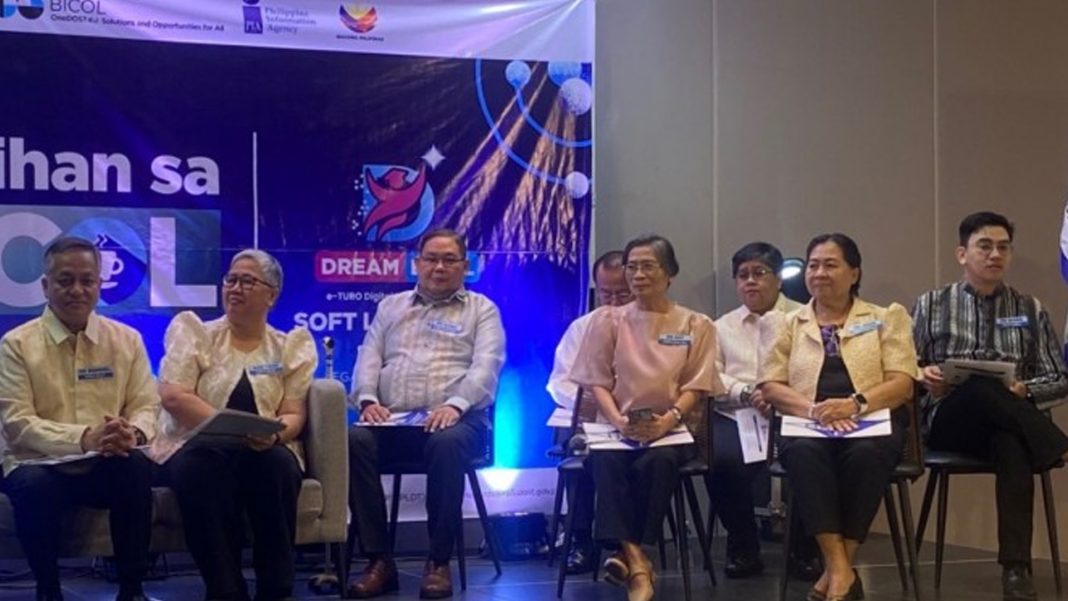






The Department of Science and Technology in Bicol Region (DOST-5) announced Monday improvements in scholarship programs, enterprise support, innovation initiatives and community-led science projects, highlighting the importance of science and technology in promoting inclusive regional growth.
During a Kapihan forum, DOST provincial offices showcased achievements aligned with the four pillars: Human Well-Being, Wealth Creation, Wealth Protection and Sustainability, demonstrating how science-based interventions benefited communities, industries and government institutions.
In his presentation, DOST-5 Regional Director Rommel R. Serrano said the agency’s initiatives under the Human Well-Being pillar focused on improving nutrition, water security and access to science education across the region.
Serrano reported that DOST strengthened 15 active adopters of technologies developed by the Food and Nutrition Research Institute in Bicol and recorded nearly a 200 percent increase in the production of nutritional food packs over the past two years.
Production also increased from 267,000 packs in 2024 to 800,000 packs in 2025, helping support the Department of Education’s feeding programs, particularly in island provinces such as Catanduanes.
“The initiative not only improved the nutritional status of beneficiaries but also generated opportunities for local enterprises involved in food production,” he said.
To address water resources in highly vulnerable coastal and island communities, DOST also deployed water desalination systems that now provide safe, reliable drinking water to more than 780 households across several municipalities, including San Pascual in Masbate and Balatan in Camarines Sur.
Serrano also noted that ongoing investment in science education resulted in 1,604 new DOST scholars across the region.
He said that all municipalities in Bicol now have at least one DOST scholar, and that 36 percent of scholarship graduates over the past two years earned Latin honors. (PNA)

