






Public schools in this city are ramping up preparations for the implementation of the new three-term school calendar, with less than a month until classes open for School Year 2026–2027.
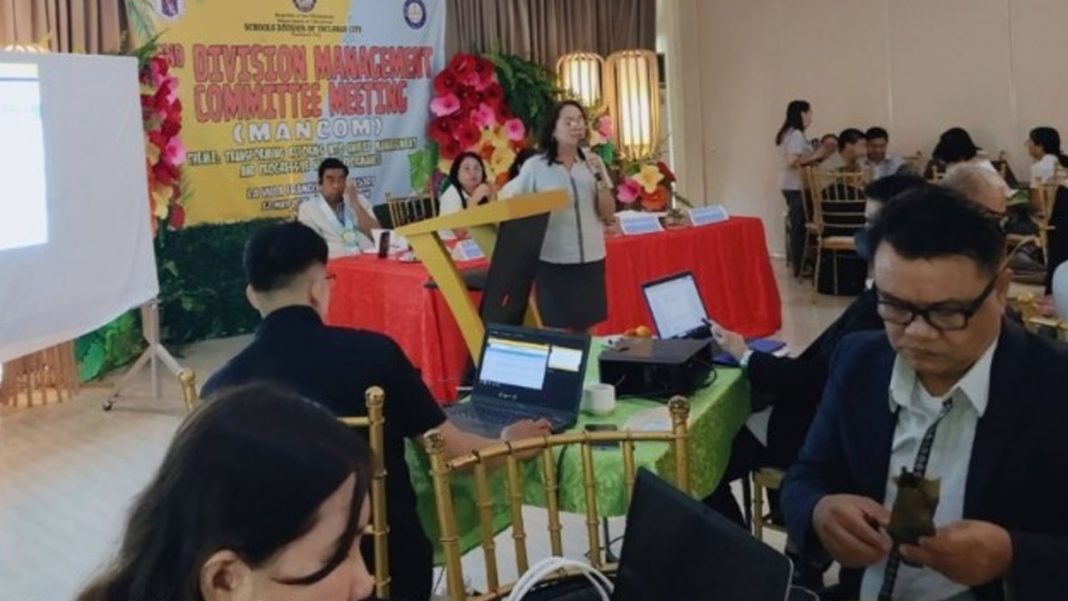
Department of Education (DepEd) Tacloban Schools Division information officer Nilo Eder said Tuesday that the majority of public school teachers in the city have undergone orientation on the new academic calendar structure conducted by personnel from the central office.
Eder said that between 2,000 and 3,000 teaching and non-teaching personnel are being engaged in preparations for the transition.
“We have been orienting about 2,000 to 3,000 personnel in the city. Since the training modality is both face-to-face and online, we are expecting 100 percent participation,” Eder said.
Under the new setup, the academic year will run from June 8, 2026 to April 8, 2027, with 201 days allotted for classroom instruction.
While the school year remains divided into four academic quarters, the updated calendar will structure them into three terms.
“Instead of four quarters, the school calendar will now be divided into three terms, which is why it is called a three-term calendar and not a trimester,” Eder explained.
The new calendar is designed to help learners maintain focus, provide longer uninterrupted instructional periods, and strengthen learning continuity across schools in the division.
Eder added that the shift aims to address the loss of instructional hours caused by school activities, extracurricular events, and other disruptions to classroom learning.
Under the policy, each term will consist of three phases:
- Opening Block – focused on learner profiling, readiness assessments, and initial school preparations;
- Instructional Block – dedicated to uninterrupted teaching and learning to ensure curriculum targets are achieved; and
- End-of-Term Block – reserved for academic interventions, lesson consolidation, and professional development activities for teachers.
DepEd said the restructured calendar will provide longer periods for focused instruction, allowing for better lesson pacing and dedicated time for student remediation and academic support.
The department expects the new system to enhance teaching effectiveness and improve learning outcomes by minimizing interruptions to classroom instruction. (PNA)

