








The local market rice retailers’ association here said Wednesday they are doing their best to cushion the effect of fuel price increases on their commodity while ensuring a buffer supply for city residents.
John Paul Peralta, spokesperson of the Baguio City market rice retailers’ association, said they buy more stocks anticipating price increases to avoid immediately raising prices.
“Kami kapag medyo mababa kuha namin at may balita kami na tataas, kumukuha kami ng mas marami para hindi kami sumasabay sa pagtaas ng presyo ng gasoline, masisiguro din namin na may supply kami na ibebenta para sa mga taga Baguio (If we get a good price and we hear that it will increase, we also purchase more so that we have stocks at old prices and we don’t increase our prices as soon as gas prices increase. This will also ensure that we have supplies to sell to the residents of Baguio),” Peralta said in an interview.
He added that many retailers sell at break-even prices or with minimal profit instead of the usual markup.
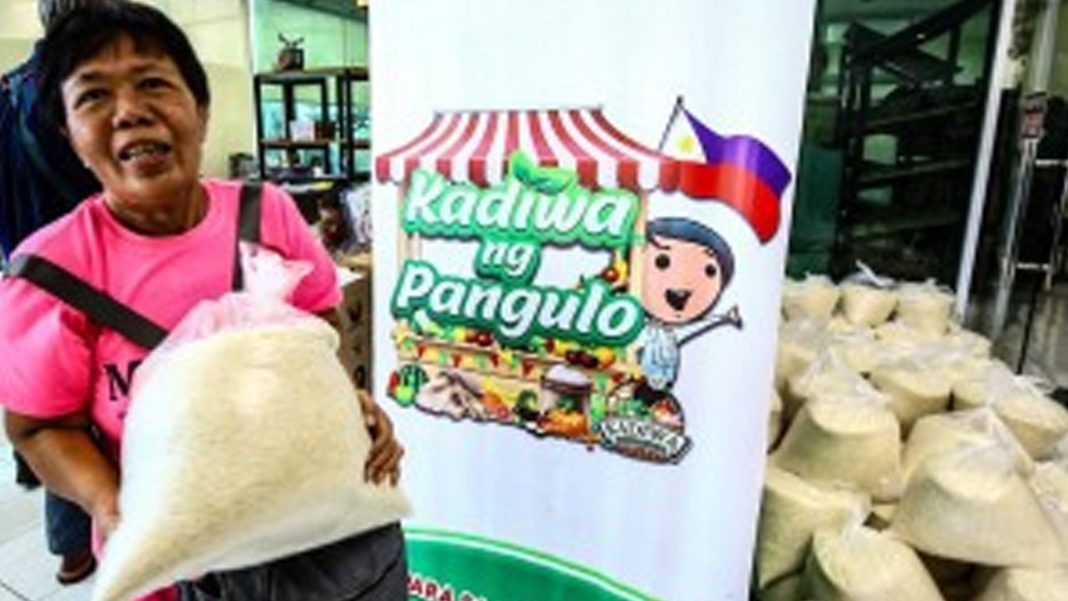
Peralta described the government’s PHP20 per kilo rice program as a big help to families, though limited to the vulnerable sector.
“Malaking bagay sa kababayan ang PHP20 na bigas (The PHP20 rice is a big deal for our fellow residents),” he said.
Peralta said personnel from the Department of Agriculture conduct daily price and quality checks at the market.
“They come in the morning, sometimes just them (DA) sometimes with the POSD (Public Order and Safety Division). They watch us to make sure that there is no overpricing,” he added.
Since Feb. 28, rice prices for 25-kilogram bags have increased by PHP100 to PHP300, he said. Regular milled rice ranges from PHP46 to PHP52 per kilo; well-milled rice from PHP54 to PHP58 per kilo; and imported rice from PHP60 to PHP65 per kilo.
Most of the local rice sold in Baguio comes from Cagayan Valley, Isabela, Nueva Vizcaya and parts of Pangasinan. (PNA)