


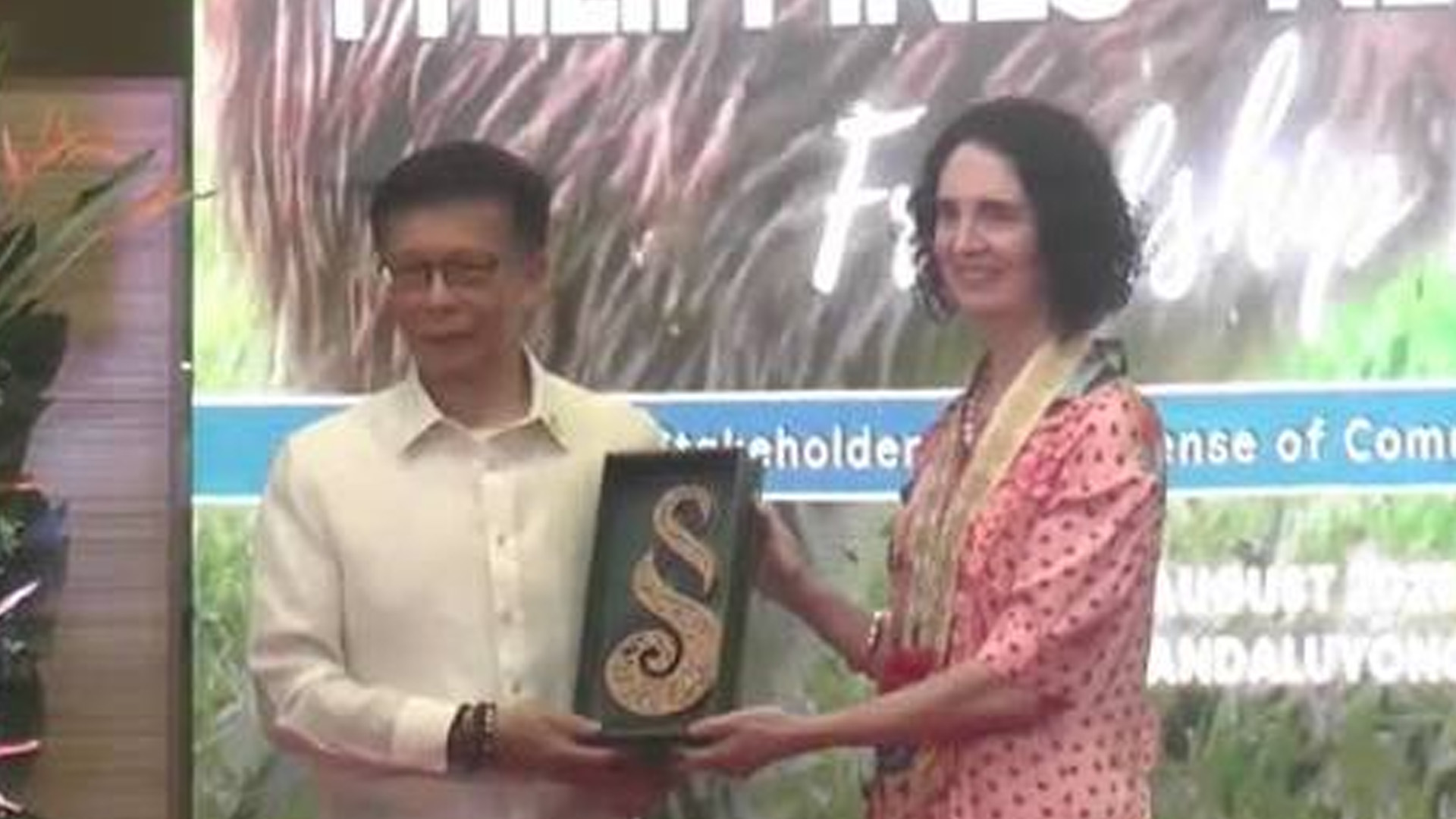






The Philippines and New Zealand have strengthened bilateral cooperation on migrant labor, pushing for safer and more responsible recruitment and stronger protection for Filipino workers as the two countries mark 60 years of diplomatic relations.
At the Philippines – New Zealand Friendship Week celebration in Mandaluyong City on Tuesday, Department of Migrant Workers (DMW) Secretary Hans Leo Cacdac noted that overseas Filipino workers (OFWs) and their New Zealand employers have bridged and reinforced the longstanding ties between the two countries.
“So, we are carrying on, bolstering, emphasizing, highlighting today the friendship that had long been established before us. This milestone reflects six decades of our cooperation and shared commitment to the welfare and dignity of our peoples,” he said.
Cacdac cited the Memorandum of Agreement on Labor Cooperation signed in 2008, and the Agreement on Principles and Controls for Recruiting and Safeguarding Filipino Workers in New Zealand signed in 2015, which, he said, laid the foundations for the two countries’ labor partnership.
He said these agreements reflect a shared commitment to ethical and responsible recruitment, compliance with both countries’ laws, and protection of Filipino workers throughout migration and employment.
The two countries are also discussing further cooperation on safe labor mobility, regular migration pathways, and anti-human trafficking efforts.
Over the years, he said, this bilateral relationship has grown in depth and substance, shaped by broader engagement in the Asia-Pacific and through their shared commitment to regional cooperation, including through the ASEAN.
“The Philippines and New Zealand have consistently sought to ensure that labor mobility is conducted in an orderly, responsible, and mutually beneficial manner, with regard for workers’ rights, welfare, and dignity,” he said.
Cacdac said more than 100,000 Filipinos reside in New Zealand and contribute to the country as healthcare professionals, skilled workers, educators, and tradespeople, serving as living bridges of the friendship between the two nations, and strengthening cultural understanding, economic cooperation, and social ties.
New Zealand Ambassador to the Philippines Catherine Rosemary McIntosh also underscored Filipino migrants’ contribution to New Zealand society.
“Filipinos are one of New Zealand’s largest and fastest-growing migrant communities. Their dedication, talent, and hard work enrich our workplaces, our communities and contribute to sectors that are vital to New Zealand’s economy, including healthcare, aged care, agriculture, horticulture, construction, hospitality, and education. The list goes on,” she said.
Beyond their economic contribution, McIntosh said, Filipino New Zealanders have also strengthened communities and people-to-people ties.
Philippine Ambassador to New Zealand Kira Christianne Azucena said the Philippine government remains focused on the welfare of Filipinos in New Zealand, including migrant workers, students, and permanent residents.
“We are grateful for the cooperation of the New Zealand government and its agencies in ensuring that our kababayans are treated fairly, with dignity and respect, and are supported in building safe and fulfilling lives in New Zealand, together with their families,” she said.
Meanwhile, Cacdac said the countries’ efforts to strengthen labor cooperation should also focus on workers’ welfare rather than deployment numbers alone.
“Ultimately, the success of labor migration should not be measured only by the number of workers abroad. It should be measured by whether these opportunities are decent, fair, safe, and empowering, and whether workers can contribute to their host communities while enjoying the protection and respect they so deserve alongside harmonious relations with their employers,” he said.
As a son of a former OFW, Cacdac recalled the hopes and aspirations of Filipino families when a family member decides to work abroad, noting that such decisions can bring “hopes and dreams, aspirations, and fulfillment” to Filipino families.
“May this 60th anniversary in our Friendship Week serve not only as a celebration of shared accomplishments, but as a renewed commitment to the work ahead, as we continue to build a labor partnership founded on mutual respect, shared responsibility, human dignity, and shared prosperity,” he said. (PNA)