


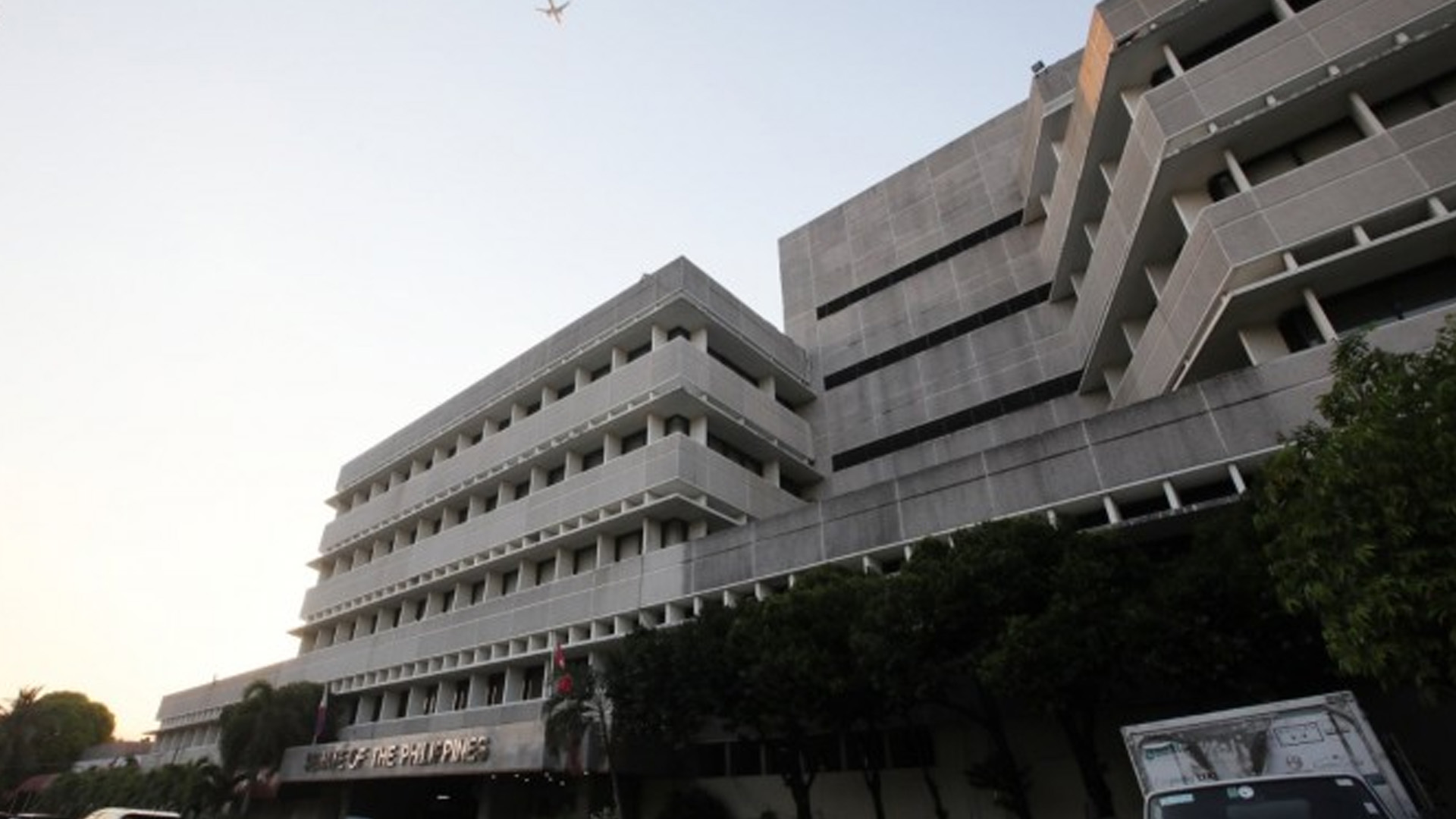






The Senate is reviewing a package of bills to establish, expand and return provincial hospitals to national government control as 36 of the country’s 82 provinces remain without a medical facility directly managed by the Department of Health (DOH).
Senator Risa Hontiveros, chairperson of the Senate Committee on Health and Demography, said Tuesday the absence of DOH-run hospitals in nearly half of the provinces represents a major gap in the public health system.
“Hindi sapat ang ospital na nasa papel lamang (A hospital that exists only on paper is not enough),” Hontiveros said during a public hearing.
The measures cover proposed hospitals and facility improvements in Kalinga, Capiz, Zamboanga Sibugay, Bukidnon, Davao de Oro, Zambales, Agusan del Norte, and Romblon.
Some bills seek to establish new hospitals, while others aim to upgrade or renationalize existing provincial facilities, expand current DOH hospitals, or place local institutions under the department’s supervision, control and management.
Senate President Pro Tempore Vicente Sotto III endorsed the measures and asked to be included as a co-sponsor.
“What I would want to do this morning is to endorse all these local bills, and if I may, be made a co-sponsor,” he said.
Sotto said the proposals could help close the gap between the number of available hospital beds and the growing needs of patients, particularly in provinces where residents must travel long distances to obtain specialized treatment.
Hontiveros welcomed his endorsement but underscored that expanding hospital capacity requires more than constructing buildings or adding beds.
She said every facility must have sufficient doctors, nurses, pharmacists, medical technologists and other health workers, as well as laboratories, operating rooms, medicines, oxygen supplies, equipment and a functioning referral system.
The government must also provide continuing allocations for personnel services and maintenance and other operating expenses, not merely capital outlay for construction, she added.
“Ayaw nating magpasa ng batas na magtatayo lamang ng bagong pangalan at bagong karatula, pero walang kakayahang magbigay ng aktuwal at maaasahang serbisyo (We do not want to pass laws that merely create a new name and signboard but cannot provide actual and reliable services),” Hontiveros said.
She said the committee must establish whether each proposed hospital addresses a proven service gap, the population and disease burden it would cover, and its specific role in provincial and regional referral networks.
The review is particularly important in provinces with parallel proposals to prevent service duplication and competition for the country’s limited pool of health professionals, she added.
For hospitals proposed for renationalization, lawmakers must also examine how employees, plantilla positions, assets, records, contracts, funds and liabilities would be transferred without disrupting patient services.
Hontiveros said Congress would decide whether hospitals should be created or placed under the DOH, while their exact bed capacity, staffing and service capability must be based on health data and national planning.
“The goal is not to increase the number of hospitals on paper. The goal is to give more Filipinos nearby, prompt and reliable hospital services,” she said. (PNA)