


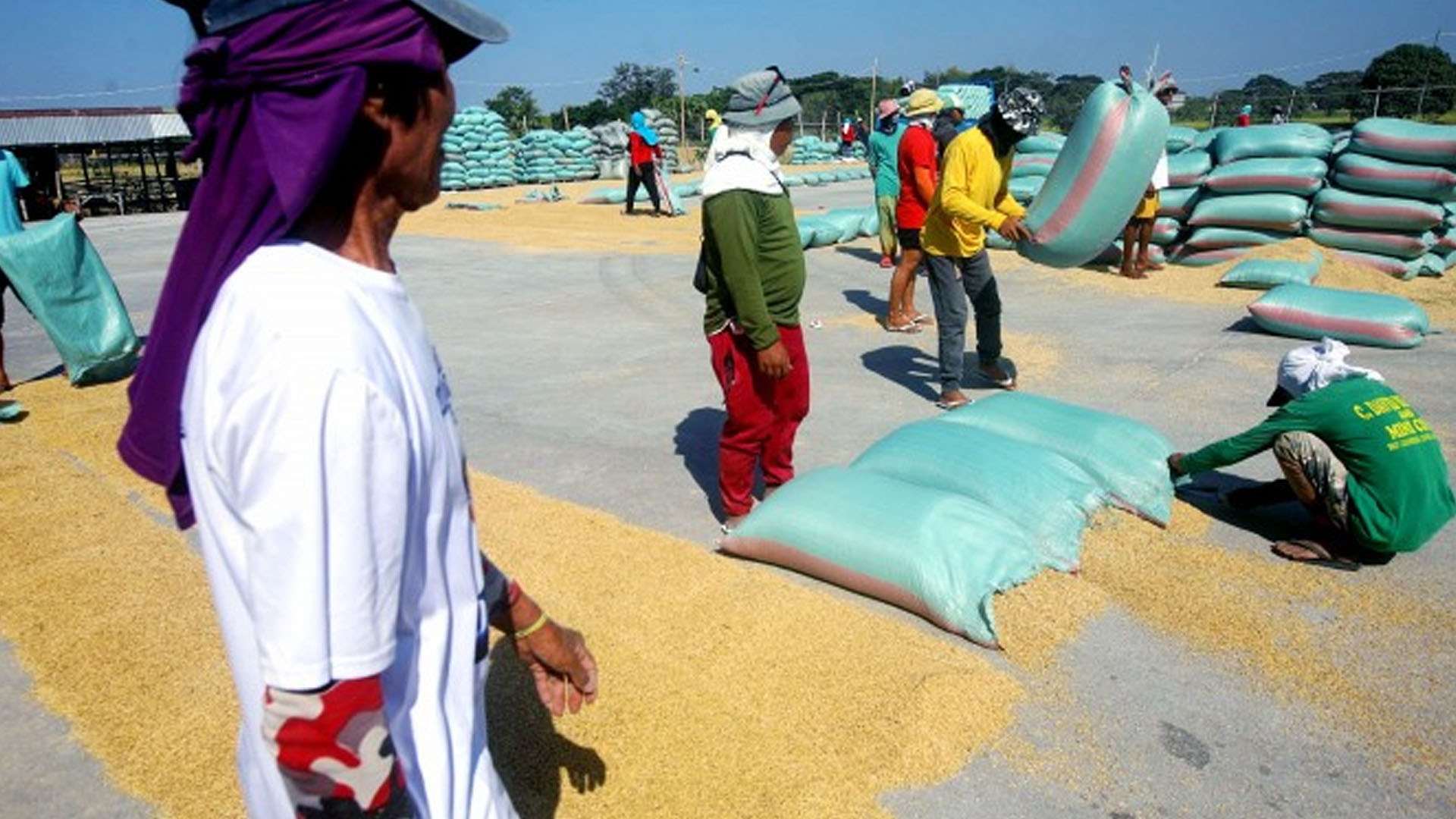






The Department of Agriculture (DA) on Thursday said it is set to complete the largest post-harvest drying facilities in the Philippines.
This is in line with the directive of President Ferdinand R. Marcos Jr. to boost farmers’ income and ensure food security for Filipinos.
In a statement, Agriculture Secretary Francisco Tiu Laurel Jr. said this marks the first nationwide rollout on this scale.
“For the first time in the country’s history, we’ll be completing 380 drying systems for the 2027 wet season,” he said.
Of the total, 230 units are already being completed and are expected to be operational by the end of 2026.
Its procurement has also been completed, with the installation now covering the completion of the sheds for the keeping of equipment.
The other 150 units, meanwhile, are scheduled for implementation next year, with the entire network expected to be in place by September 2027.
For his part, DA Undersecretary Christopher Morales said these facilities will help boost farmers’ profitability by reducing production costs.
These units can also improve the recovery of rice output, allowing farmers to sell dried palay at a higher market price.
“Farmers who are able to utilize the drying facilities stand to earn higher net income per harvest, with estimated additional gains of about PHP12,600 per hectare per cropping season, or roughly PHP25,200 per year,” he said.
This is based on an average yield of 4.2 metric tons per hectare, considering production levels and actual utilization of the facilities.
Overall, the additional drying capacity could generate an estimated PHP3 billion in additional net income per cropping season or about PHP6 billion annually.
The value is based on the volume of palay that can be mechanically dried and an average PHP3-per-kilo price premium for properly dried palay over wet palay.
To date, the procurement for the initial 230 dryers has already been completed.
Two units are already operating in Nueva Ecija, while the bulk of the systems are expected to be commissioned before year-end.
The expanded network is expected to add about 1 million metric tons of palay-drying capacity each cropping season. (PNA)