


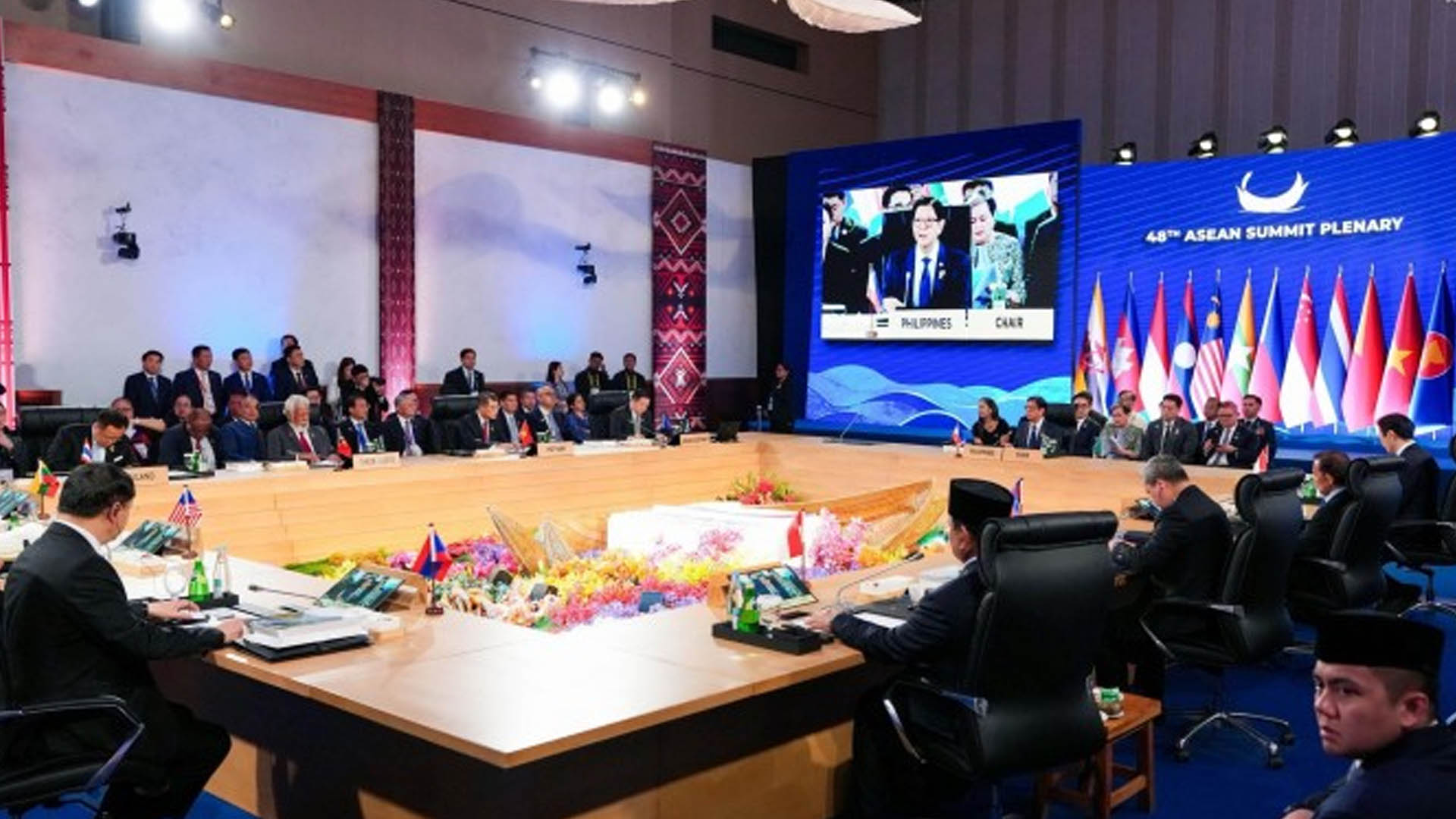






The Association of Southeast Asian Nations (ASEAN) is ramping up its efforts to strengthen green transition initiatives, accelerate digital transformation, and expand the adoption of artificial intelligence (AI) as part of the region’s long-term development agenda.
ASEAN reaffirmed its commitment to strengthening the competitiveness, inclusiveness, and resilience of micro, small and medium enterprises (MSMEs) through the Strategic Action Plan for MSME Development 2026-2030 (SAP MSMED 2030).
The plan includes measures to accelerate digital and technology transformation, deepen integration of MSMEs into regional and global value chains, and support a greener transition, the ASEAN chair said in a statement released on Saturday.
“We welcomed concrete steps to safeguard the continuity and impact of ASEAN’s regional MSME platforms, including the ASEAN SME Academy, ASEAN Access, and emerging regional initiatives, which serve as vital instruments for capacity building, market access, and cross-border collaboration,” the statement read.
“We looked forward to the finalization of the ASEAN MSME Digital Trade Outreach Toolkit, which will provide practical guidance and resources to help MSMEs navigate digital trade opportunities, enhance their digital capabilities, and access international markets more effectively,” it added.
The regional bloc acknowledged the continued contribution of the Economic Research Institute for ASEAN and East Asia (ERIA) in supporting regional community-building efforts, through its high-quality research, capacity-building activities, and evidence-based policy recommendations.
ERIA has provided technical support to ASEAN initiatives, including preparations for the Philippine Chairship 2026.
The group encouraged ERIA to strengthen its partnership with the region, particularly in the priority areas such as supply chain resilience, digital transformation, green transition and inclusive growth.
The leaders also noted the adoption of the ASEAN Framework and Action Plan (FAP) for a Just and Inclusive Transition to Green Jobs (2025–2030), which aims to promote green employment, reskilling and upskilling of workers, and stronger social dialogue to ensure that the shift toward a green economy is fair and inclusive.
They welcomed the ongoing development of an ASEAN Declaration on Strengthening Labor Market and Social Resilience, which is expected to be adopted by the ASEAN Labor Ministers Meeting later this year.
The declaration will serve as a strategic framework to support the transition toward a “resilient, adaptable and inclusive” labor market amid economic and technological changes.
The leaders noted the adoption of the ASEAN Guidelines on Cross-Country Exchange of Expertise by the ACCSM Heads of Civil Service, which will facilitate temporary assignments of civil servants to strengthen their technical skills and mutual learning.
“It guides the planning, implementation, and evaluation of exchange programs among AMS, which will be implemented to forge deeper understanding and appreciation of diversity in ASEAN and to support regional capacity building and cooperation among civil service agencies in areas of common interest, as well as in other emerging areas such as digital transformation and green economy,” the ASEAN chair said.
The regional bloc expressed anticipation for the conclusion of negotiations on the ASEAN Digital Economy Framework Agreement (DEFA), which is expected to be signed at the 49th ASEAN Summit.
The agreement is seen as a landmark initiative that will accelerate regional digital integration through cooperation in digital trade, e-commerce, electronic payments, digital identity systems, online safety and cybersecurity, cross-border data flows, competition policy, and cooperation on emerging technologies such as AI.
DEFA will support digital talent development and strengthen regional readiness for an increasingly AI-driven and interconnected global economy, reinforcing Southeast Asia’s position as a competitive and forward-looking digital hub. (PNA)