






The Department of Agrarian Reform (DAR), in partnership with the World Bank (WB), is gearing up to further strengthen support for Agrarian Reform Beneficiaries (ARBs) through the proposed Inclusive Partnerships for Agrarian Reform Communities (IPARC) Project.
The initiative builds on the progress of the Support to Parcelization of Lands for Individual Titling (SPLIT) Project. This major government program issues individual land titles to ARBs across the country.
While the SPLIT Project focuses on improving land tenure security, the IPARC Project aims to help farmers maximize the potential of their awarded lands by making them more productive, profitable, and sustainable.
Under the leadership of Secretary Conrado Estrella III, DAR continues to promote programs that link secure land ownership with stronger agricultural development and improved livelihood opportunities for farmer-beneficiaries.
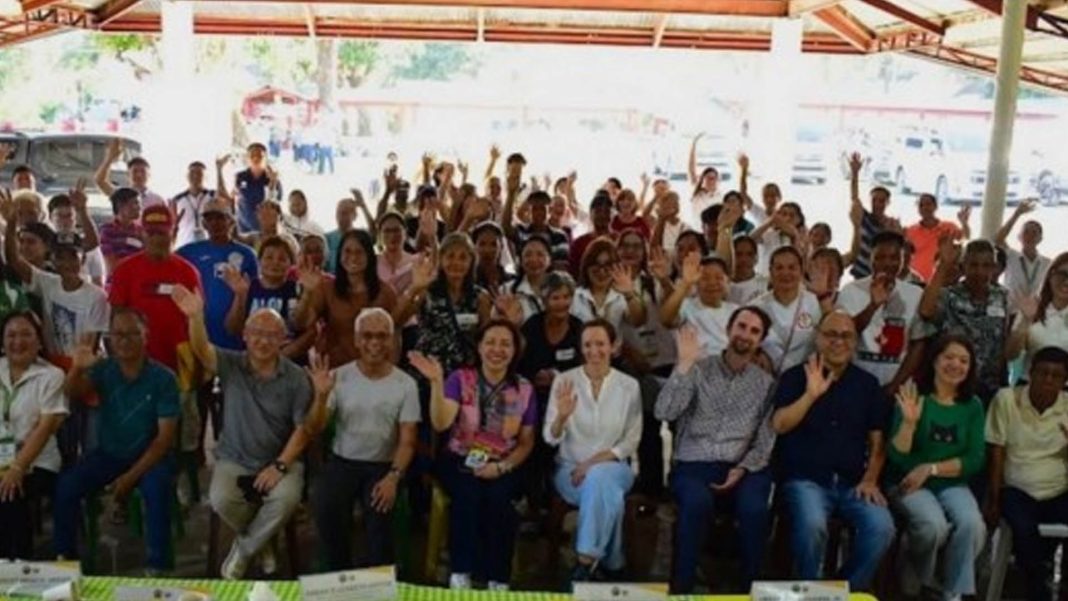
As part of the preparations for the proposed initiative, representatives from the international lender and DAR recently conducted the first Commodity Cluster Farm (CCF) visit in Region 1, focusing on cluster farms in Ilocos Norte.
The activity was conducted in partnership with the DAR Regional Office I and the DAR Provincial Office of Ilocos Norte.
“This is a project that I think is a super important addition to Project SPLIT. It is sort of like the second piece of SPLIT. Now that you have the title, what’s next? Let’s try to support you and make sure your land is more profitable and more sustainable, and that you can pass it on to your heirs,” WB Senior Land Administration Specialist and Task Team Leader Sarah Antos said as quoted in a news release on Sunday.
The three-day visit aimed to assess the readiness of ARBs, agrarian reform beneficiary organizations (ARBOs), and local stakeholders for the potential implementation of IPARC.
Among the sites visited were the BBMD Cluster, Carasi-Piddig Cluster, and Pagudpud-Dumalneg Cluster, which are predominantly engaged in palay production.
During the visit, ARBs and ARBO representatives participated in focus group discussions with officials from the World Bank, DAR, local government units (LGUs), and other stakeholders.
The discussions provided farmers with the opportunity to share their experiences, identify key challenges, and align development priorities within the cluster farms based on the current conditions on the ground.
The consultations also explored ways to strengthen agricultural value chains, improve farm productivity, and expand market opportunities for farmers in agrarian reform communities.
Across Ilocos Region, a total of 39 commodity cluster farms have been identified, with 13 located in Ilocos Norte.
Around 7,573 recipients of electronic land titles in the province are expected to benefit from the proposed IPARC initiative once implemented.
The continuing collaboration between DAR and the WB ensures that ARBs not only receive secure land titles but also gain access to the support services needed to sustain agricultural production and improve their incomes. (PNA)

